You’re on our Rainbow Sounds Exclusive HSA/FSA Store


Article by Bianca Sengos, Founder and CEO of Rainbow Sounds
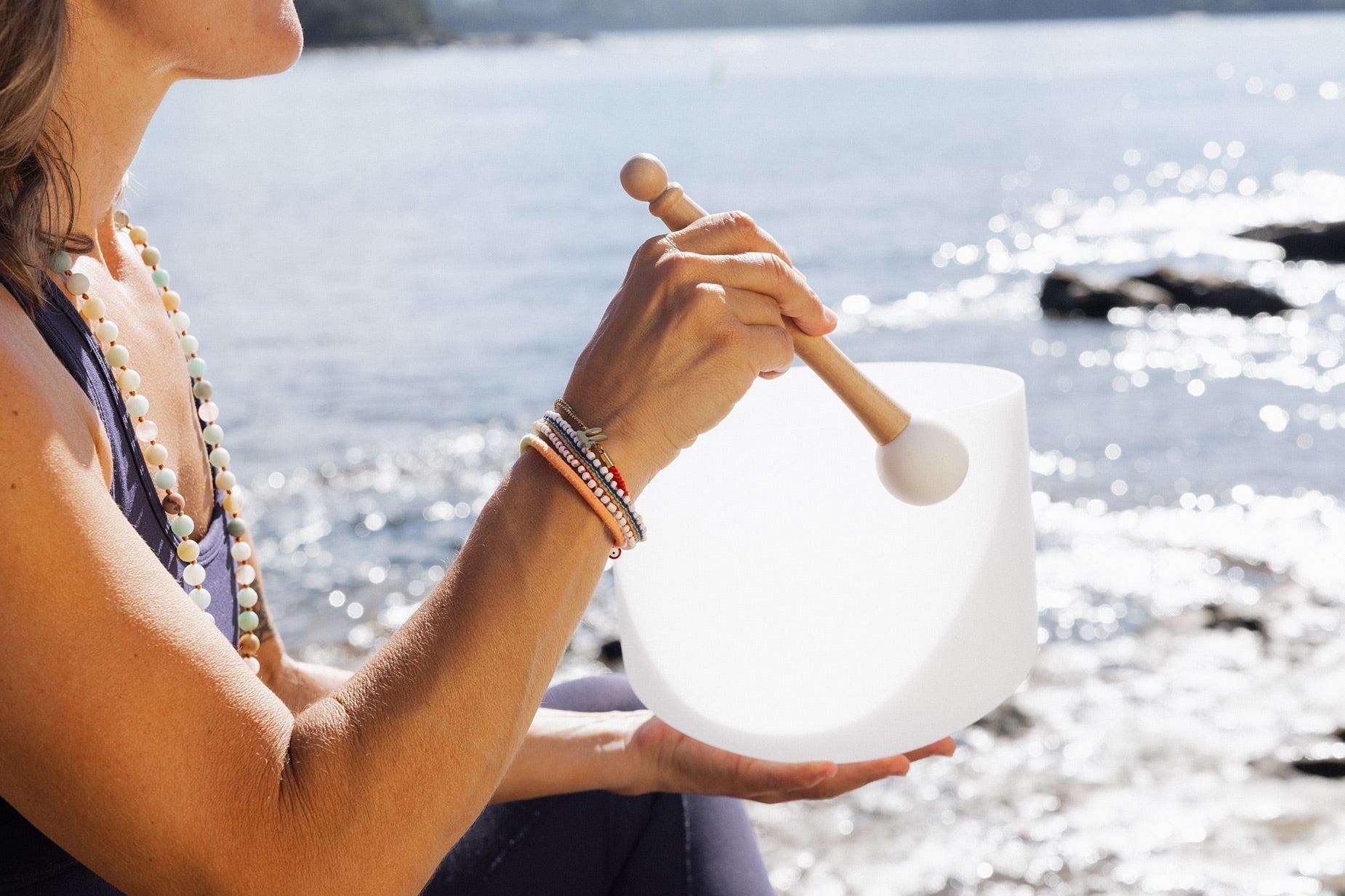
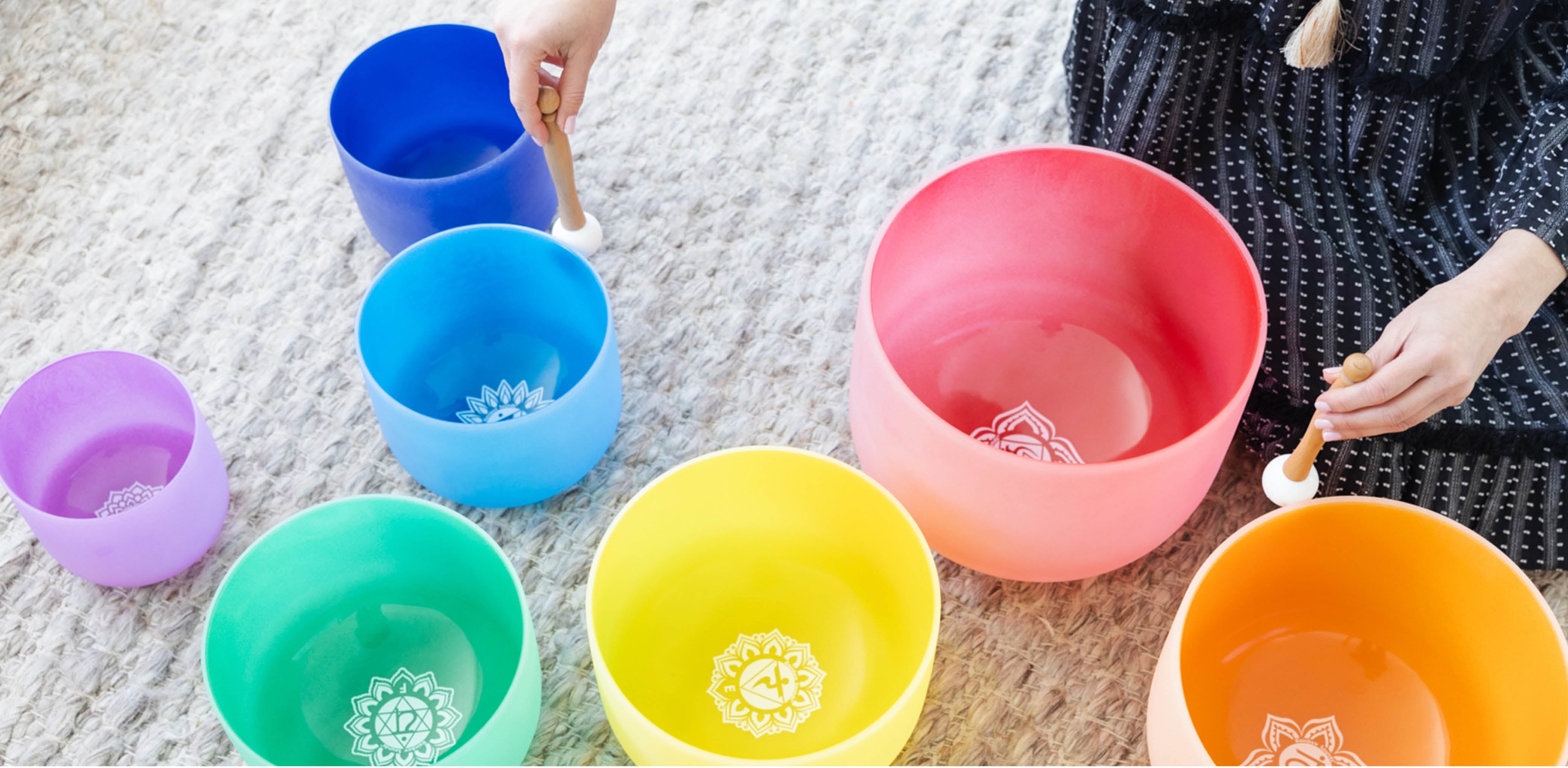
More and more evidence from psychology and neuroscience shows that sound‑based practices — including sound baths with Sound Therapy Bowls — may help ease anxiety, stress, sleep disruption, and support overall mental and physical well‑being. Used alone, with a partner, or in a group setting, these bowls offer a simple, research‑informed way to bring mindfulness into everyday life.
What Research Suggests: The Potential Benefits
With Rainbow Sounds Sound Therapy Bowls, you can integrate sound therapy into your daily routine — whether for a personal session, a family ritual, or a communal sound bath.
Anxiety, Mood & Emotional Well‑being
Participants in a 60‑minute sound meditation session reported meaningful drops in tension, anger, fatigue, and depressed mood. Effects were particularly notable for people new to sound therapy.
Stress Relief & Cortisol Reduction
Relaxing and rhythmically‑structured sound — like what a bowl produces — has been linked to reductions in cortisol and other stress biomarkers.
Nervous‑System Balance & Restorative States
Sound baths are increasingly studied for their effects on autonomic nervous‑system regulation — promoting a shift from “fight or flight” to “rest and digest,” which can support relaxation, calmness, and resilience.
Cancer Support & Immune System
Research shows that music-based interventions can reduce anxiety, fatigue, and pain, while also supporting immune function and helping patients tolerate cancer treatments more effectively.
Study: Music interventions for improving psychological and physical outcomes in people with cancer, published in Cochrane Library (2016)
Parkinson’s Disease & Motor Symptoms
Low-frequency sound vibrations, such as 40Hz, have been observed to improve motor function and reduce tremors in Parkinson’s patients, demonstrating the potential of vibrational sound therapy to support neurological health.
Better Sleep and Relaxation
Some studies show sound interventions may help with sleep quality and reduce insomnia symptoms — making sound therapy a gentle, non‑invasive tool for those struggling with rest.
Study: A randomized controlled trial of bedtime music for insomnia disorder(2019)
Pain Relief & Overall Well‑being Support
Structured sound therapy — including music and sound‑wave interventions — has been linked to reduced perception of chronic pain and improved mood and quality of life in certain conditions, including chronic pain and fibromyalgia.

How to Use Sound Therapy Bowls in Everyday Life
Incorporating sound therapy is simple and accessible:
-
Take a few moments for yourself (or with loved ones) to gently play a bowl, focusing on the tone, vibration, and your breathing.
-
Use it as a standalone practice for relaxation, or integrate it into a bedtime or self-care ritual to encourage calm and better sleep.
-
Use bowls in a group or community setting — sound baths can be shared, making the practice both personal and social.
With regular use — even just a few minutes a day — sound therapy can help cultivate balance, emotional resilience, and a deeper sense of well‑being.